Execution Design for Sustainable Productivity
Learn how to design a practical execution loop with clear next actions, visible completion feedback, and sustainable recovery windows.

Stop relying on hype. Build a system that makes action obvious every day.
Most people do not struggle because they lack ambition. They struggle because daily execution is unclear.
If your plan asks too much thinking at the moment of action, you delay. If progress is invisible, you disengage. If recovery is unplanned, you burn out.
A better approach is to design execution directly.
The Practical Execution Loop
1. Define a concrete next action
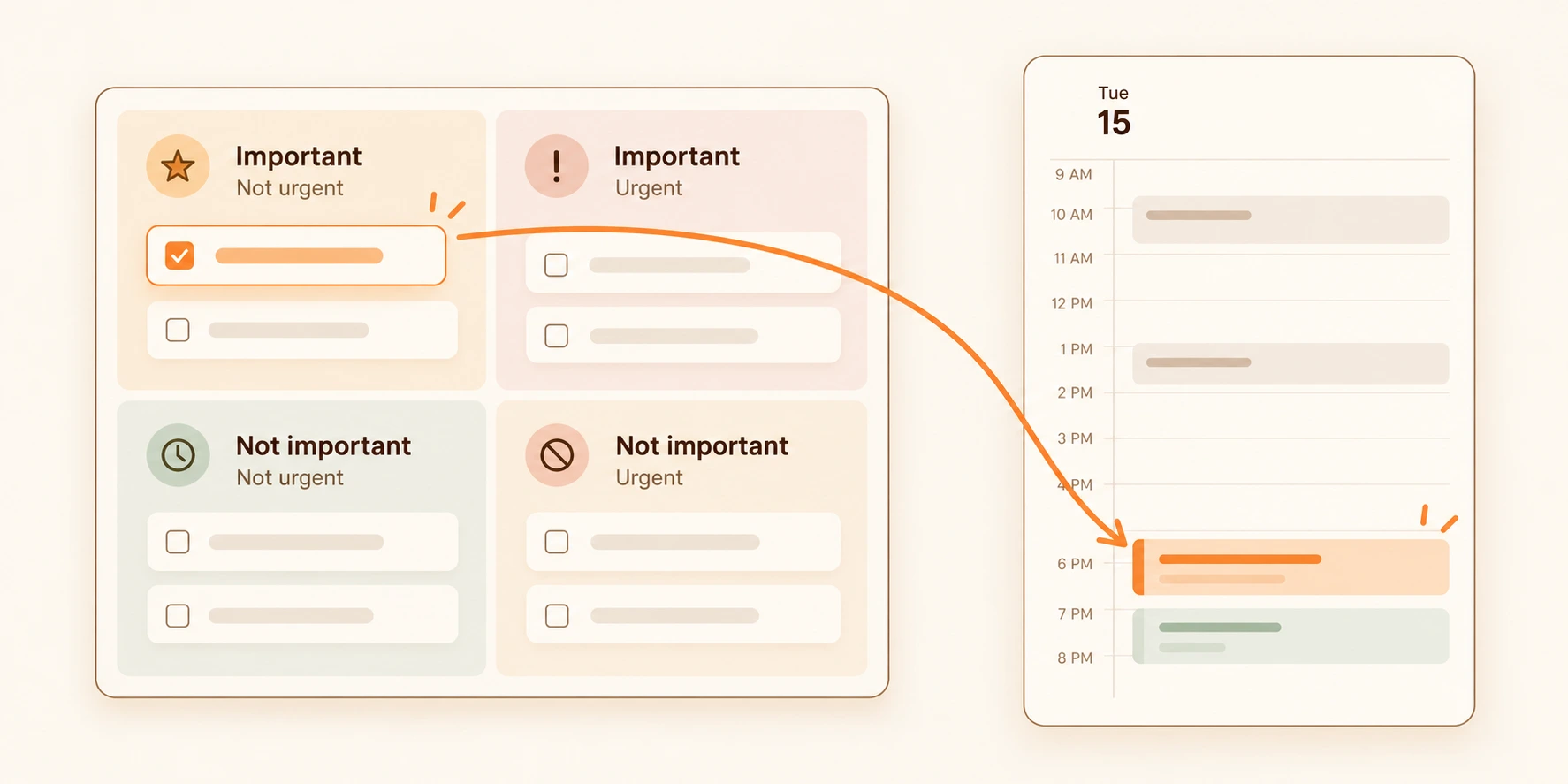
Every goal should produce an action you can place on today’s calendar.
Good: “Draft intro paragraph for report at 9:00-9:30.” Bad: “Work on report.”
2. Track completion, not intention
Plans are useful, but completion is what moves goals.
Use completion indicators that answer:
- What did I finish today?
- What is still pending?
- What should I do next?
3. Prioritize by remaining required work
When several tasks compete for attention, prioritize the one with the largest remaining required repetitions.
Tie-breaker:
- Earlier due time first.
This keeps effort aligned with what is actually unfinished.
4. Build recovery into the system
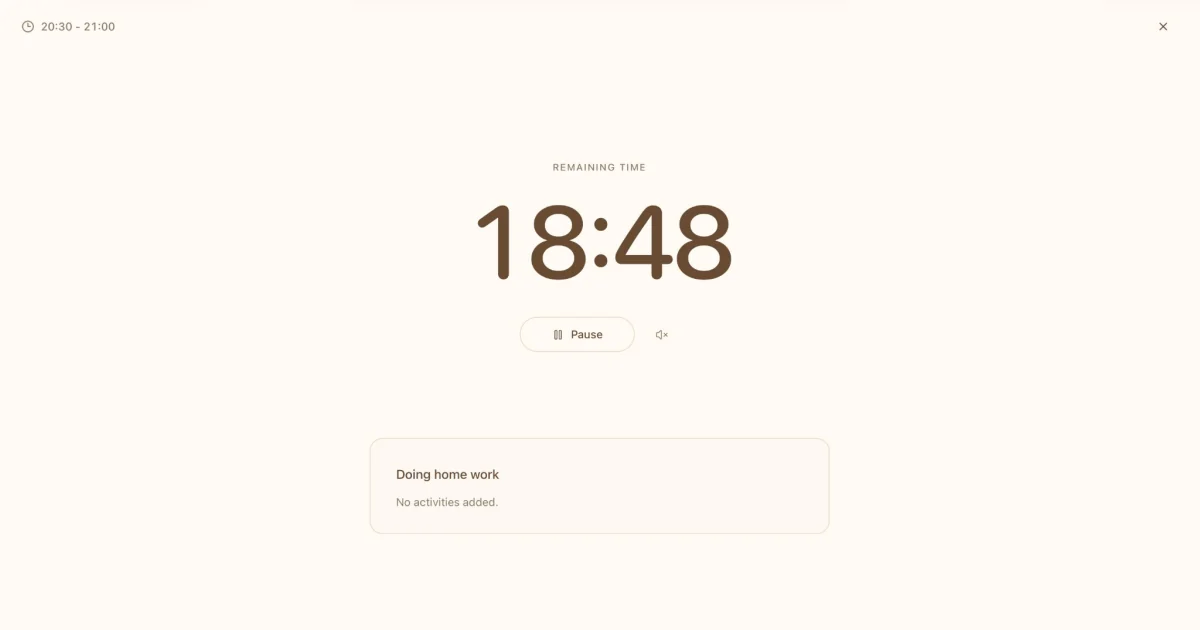
Productivity is not constant output. Sustainable execution requires planned recovery windows.
Treat recovery as part of your schedule, not a reward you must earn after exhaustion.
Common Failure Modes
Over-abstract plans
If tasks are vague, you postpone them.
Feedback delay
If completion status updates late or inconsistently, trust drops.
Priority drift
If your "next action" is driven by mood instead of remaining workload, important loops stay unfinished.
A Lightweight Weekly Review
Use one short review each week:
- Which actions were completed on time?
- Which loops still have the highest remaining count?
- Where did schedule coverage break down?
- What recovery window needs protection next week?
Keep it short and operational. No long journaling required.
Applying This in BreakToGoal
BreakToGoal supports this execution model by design:
- Goals are broken into executable tasks.
- Tasks can be placed directly into calendar time.
- Completion status is reflected across linked views.
- Recommendation signals prioritize remaining required work.
The objective is simple: reduce friction between intention and action.
If your current setup feels heavy, do one thing first: replace broad tasks with concrete actions that can be scheduled today.
Execution improves when the next step is obvious.
Share this post
About the Author

JT
Passionate about productivity, time management, and helping people achieve their goals through innovative approaches.